Swinburne University STEM Hub
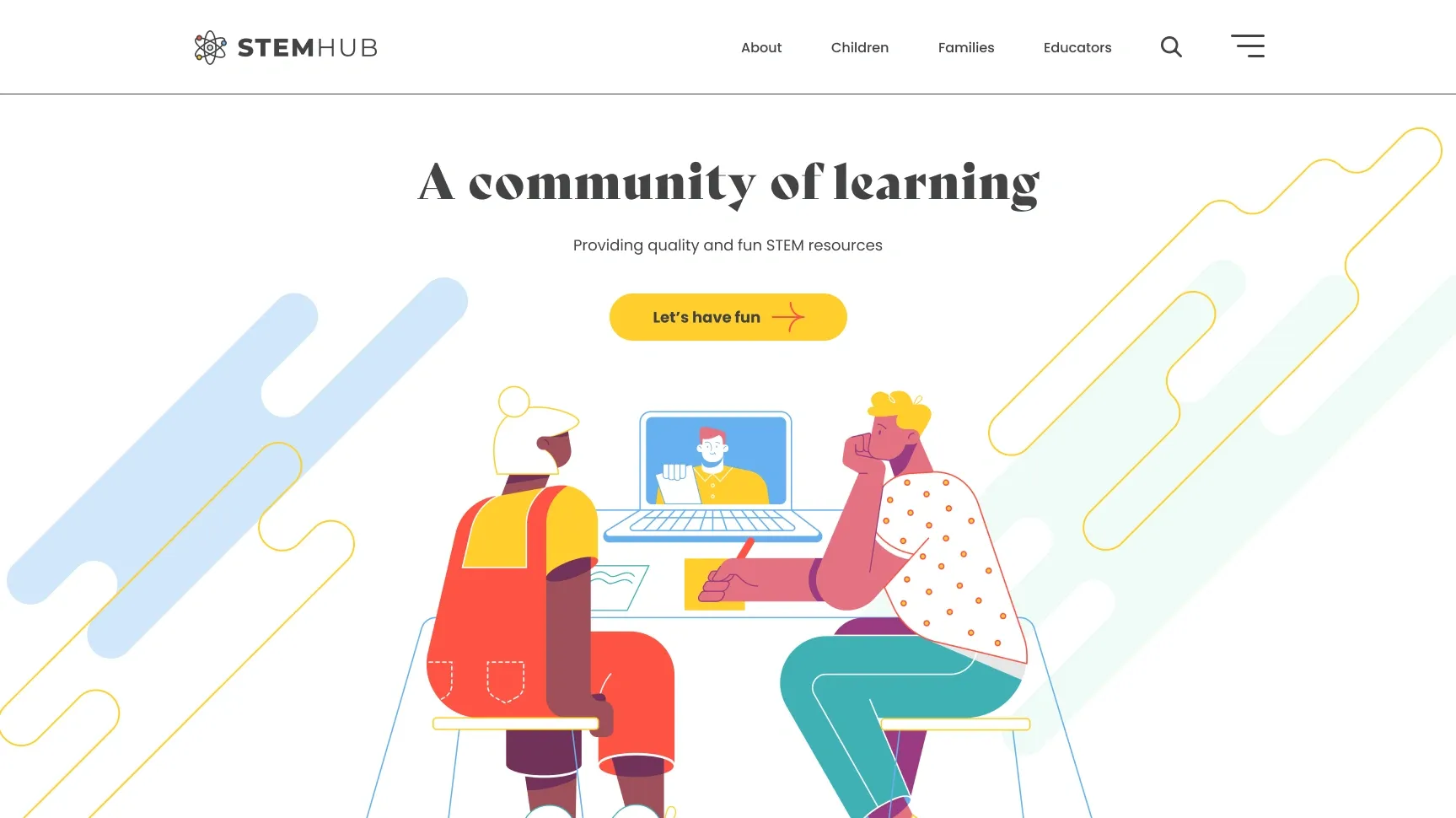
Partnering with Swinburne University to design a digital STEM outreach platform, a thoughtful concept built to open new pathways for students.


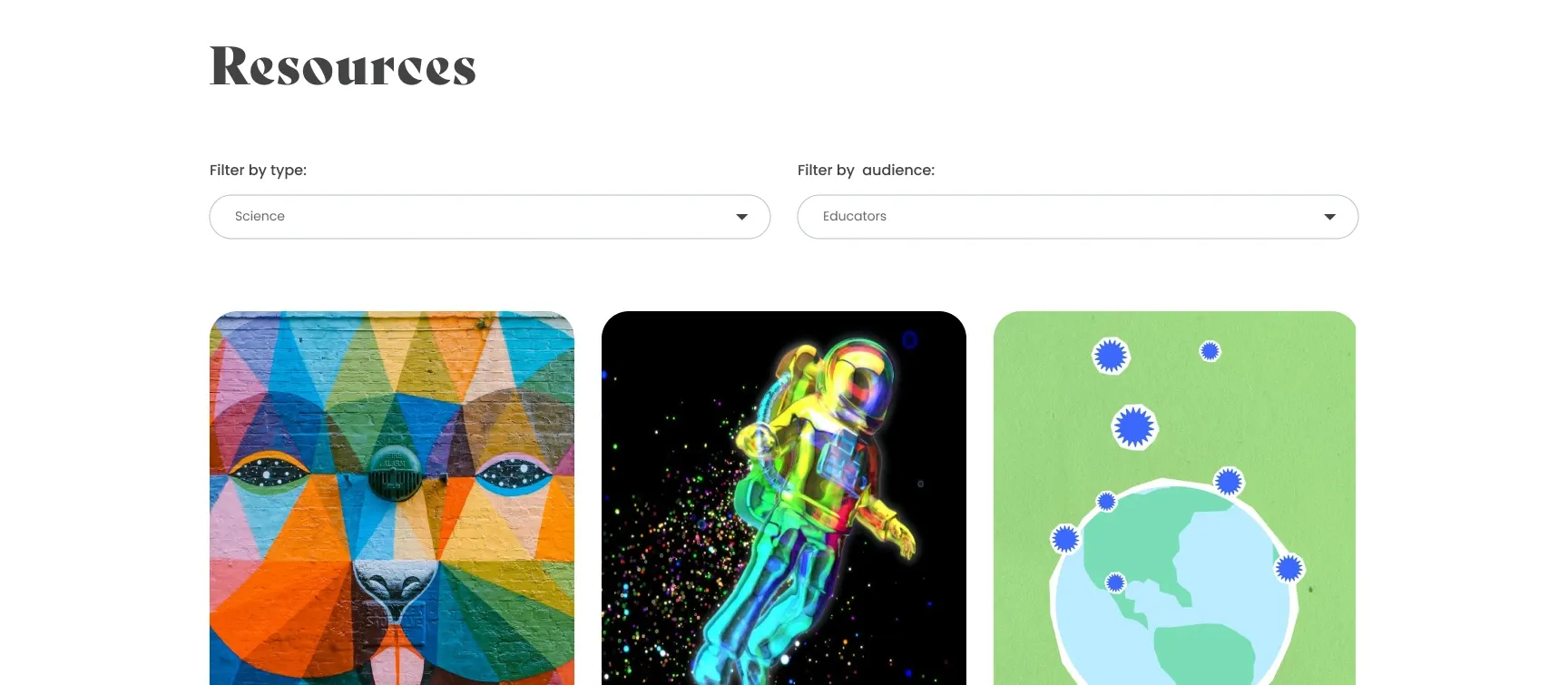
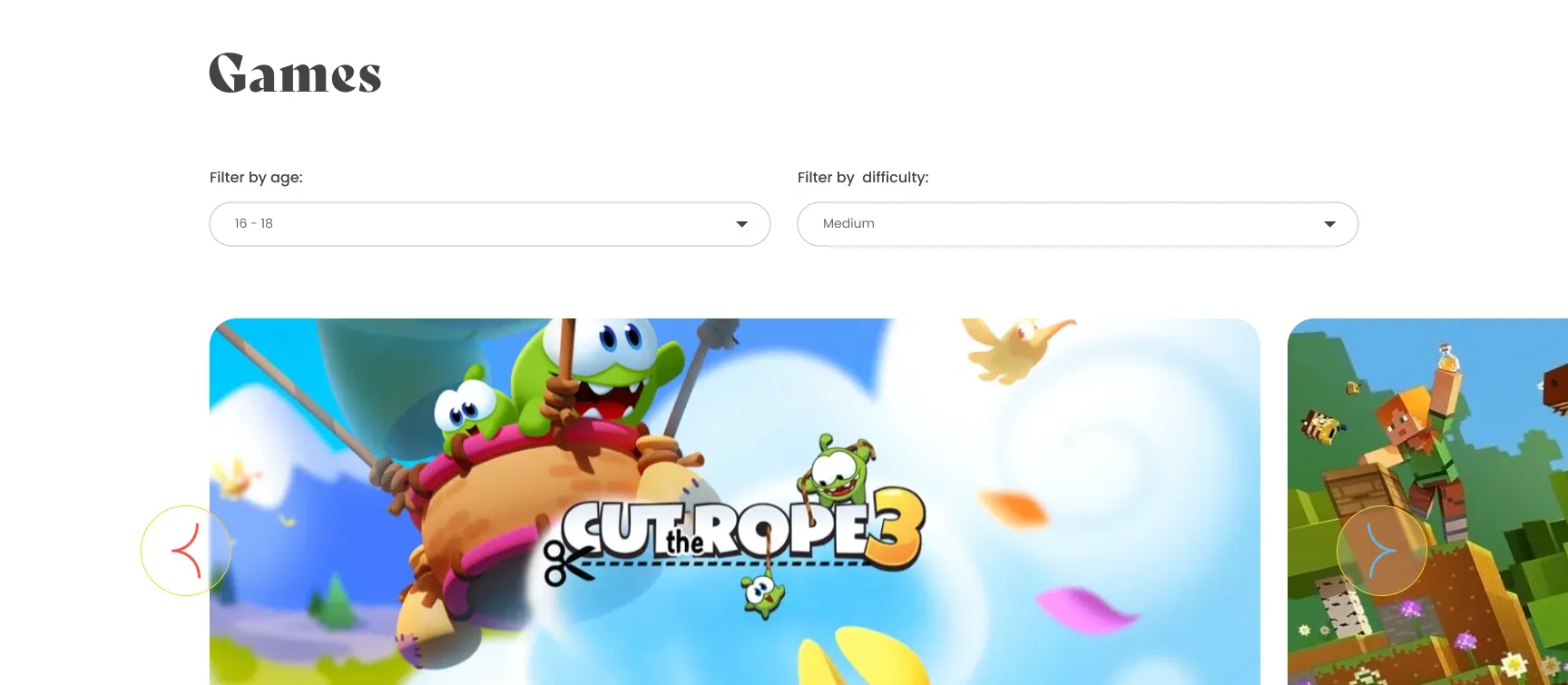
Making STEM accessible and engaging for students.
The client
Swinburne University of Technology is one of Australia's leading universities, known for its strong focus on science, technology, engineering, and mathematics. With a long-standing commitment to applied learning and industry partnership, Swinburne is well-placed to lead initiatives that connect the next generation of Australians with the skills the future will demand.
The problem
Swinburne had identified an opportunity: a government grant aimed at encouraging children and teenagers into STEM fields. They had the ambition and the credibility, but they needed a compelling, well-defined digital concept to anchor their tender response. A strong idea alone wouldn't be enough. It needed to be backed by a clear scope, a realistic timeline, accurate pricing, and design work that made the vision tangible for the grant assessors.
They came to us to help them build that case.
The approach
We started with discovery, working closely with Swinburne to understand the grant's objectives, the target audience (students and educators), and what an engaging digital experience for STEM learning could look like.
The solution
The concept that emerged from discovery was StemHub: an online portal that gamified the learning of STEM subjects and built a community around them. Students could earn points for learning, solving puzzles, and helping others. Leaderboards, badges, and prizes created healthy competition and recognition. The platform was designed not only as a resource, but as a place where young people could showcase their curiosity, collaborate on problems, and develop an affinity for STEM thinking.
We developed desktop and mobile homepage designs and interactive proof of concept (POC) to bring the idea to life visually, and supported Swinburne with the full tender response, scoping the solution, defining the timeline, and providing accurate pricing. The goal was to give the assessors more than an idea. We wanted to give them confidence that it could be delivered.
The results
Swinburne's application was ultimately unsuccessful. Government grant processes are competitive and often opaque, and the outcome wasn't a reflection of the quality of the concept or the work behind it.
What remains is a concept and design we're proud of: a thoughtful, well-scoped vision for how digital experiences can make STEM learning more engaging, more social, and more rewarding for the students who need encouragement most.